The Science of Circadian Rhythm and Sleep: A Complete Guide
The complete guide to circadian biology and sleep — SCN, melatonin, zeitgebers, and why multi-sensory environment design is the direct implication of the science.

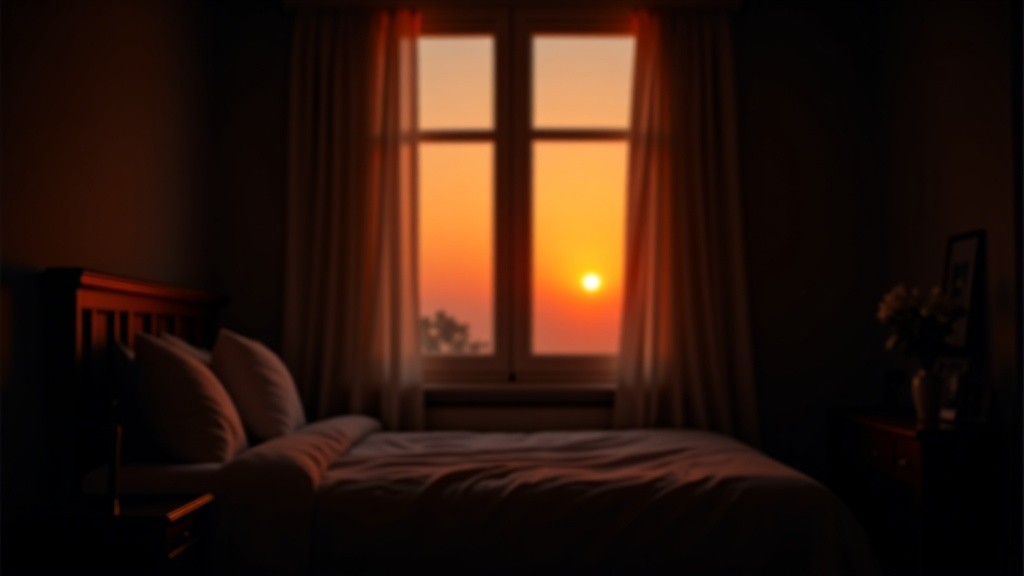
The relationship between circadian rhythm and sleep is not a theory. It is a 4-billion-year-old biological system, encoded into every cell in your body, running on a 24-hour clock that predates artificial light by an incomprehensible margin.
Your master clock lives in the suprachiasmatic nucleus (SCN) — roughly 20,000 neurons in the hypothalamus that receive direct input from intrinsically photosensitive retinal ganglion cells (ipRGCs) containing melanopsin. When blue light hits these cells, the signal travels to the SCN, which interprets it as a time cue and synchronizes the entire body's biological clocks.
This is the first thing most sleep content gets wrong: light doesn't just help you see. It is the primary language your biology uses to determine what time it is.
As daylight fades, the SCN signals the pineal gland to begin melatonin synthesis — typically 90 to 120 minutes before your habitual sleep time, a threshold called Dim-Light Melatonin Onset (DLMO). Melatonin does not put you to sleep. It signals that biological night has arrived. The sedation that follows is produced by adenosine — a byproduct of neural activity that accumulates during wakefulness.
Modern indoor environments disrupt every step of this sequence. Bright, blue-shifted LED lighting after dark suppresses melatonin, maintains cortisol, and delays the autonomic shifts that enable sleep onset.
Chronobiologists use the word zeitgeber — "time-giver" — for environmental cues that synchronize the internal clock. Light is most powerful, but temperature, exercise, meal timing, sound, and scent all function as secondary zeitgebers. Your body performs a weighted average of all environmental signals. One signal working against the others creates interference. All signals working together creates coherence — and coherence produces significantly stronger biological response than any single input alone.
This is the scientific rationale for multi-sensory sleep environment design, and the reason every single-signal sleep product on the market has a ceiling.
Understanding circadian biology at this level makes the environmental design requirements obvious: warm-spectrum light during the DLMO window, timed scent delivery calibrated to peak olfactory-GABA sensitivity, and acoustic input that quiets the reticular activating system without habituating. That is exactly what Eden BioSync was engineered to deliver.
Read more: Aromatherapy and Sleep Science | Circadian Rhythm and Essential Oils | Does Aromatherapy Help You Sleep?





on
Apr 3, 2026
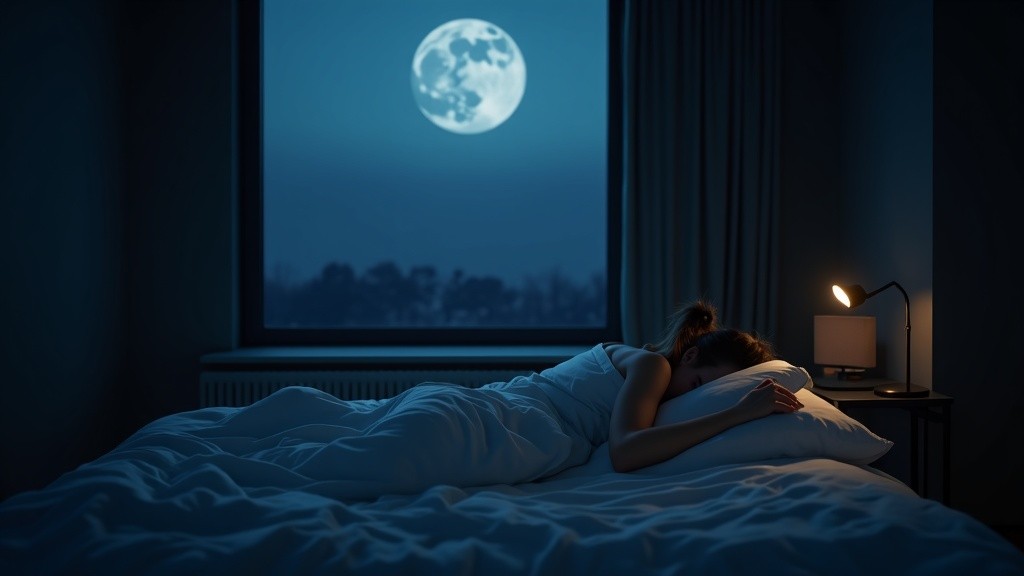
Sleep optimization stripped of supplements and hype — the two systems that control sleep, what actually improves sleep architecture, and the integration problem every single-signal product ignores.
on
Apr 3, 2026
An honest evaluation of every sleep technology category — sunrise alarms, white noise machines, cooling mattresses, diffusers, and multi-modality systems — through the lens of the actual mechanisms.
on
Apr 3, 2026
The neuroscience behind insomnia, circadian rhythm disorders, sleep apnea, and the 3am wake — what is actually happening, and what the evidence says about environmental versus pharmacological approaches.