Sleep Optimization in 2026: The Science-Backed Complete Guide
Sleep optimization stripped of supplements and hype — the two systems that control sleep, what actually improves sleep architecture, and the integration problem every single-signal product ignores.

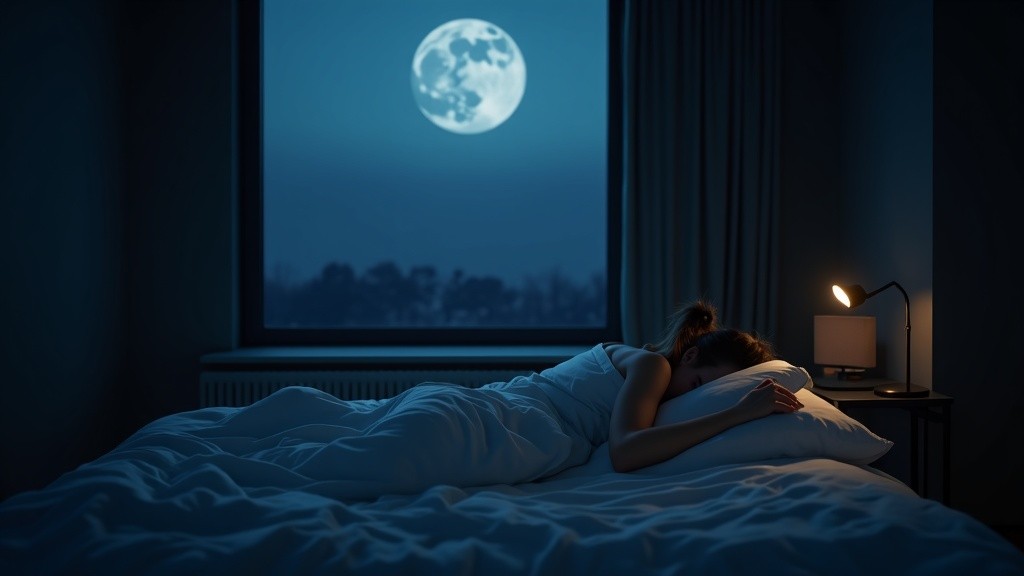
Sleep is regulated by two systems: the circadian system (the biological clock) and the homeostatic system (adenosine-driven sleep pressure). Most sleep optimization advice addresses neither.
Adenosine accumulates in the brain during wakefulness and is cleared during sleep. The longer you're awake, the stronger your drive to sleep. Caffeine works by blocking adenosine receptors — not by creating alertness, but by hiding fatigue. The debt is still accumulating.
Sleep cycles through four stages every 90 minutes. N3 (slow-wave/deep sleep) is the most physically restorative — growth hormone release, cellular repair, immune consolidation. It occurs predominantly in the first half of the night. N4 (REM) handles emotional processing and memory consolidation and predominates in the second half. Alcohol suppresses REM in the first half and produces cortisol rebound in the second — net effect on sleep quality: negative.
HRV — heart rate variability — is the most accessible objective marker of sleep quality. Higher HRV reflects parasympathetic dominance: the state associated with recovery and repair. Track this with an Oura Ring or WHOOP. It tells you whether your interventions are working.
The highest-leverage interventions, ranked by evidence:
1. Light management. Eliminating blue-spectrum light after sunset and ensuring bright light within 30 minutes of waking produces the largest consistent improvement of any behavioral intervention. It is free. It works by directly addressing melatonin suppression.
2. Temperature. 65–68°F (18–20°C) sleeping environment with the body's 1–1.5°C temperature drop accelerates sleep onset and increases slow-wave sleep.
3. Consistent wake time. The circadian clock is entrained by timing regularity. Hold wake time constant even after poor sleep nights.
4. Timed olfactory input. Linalool (lavender's primary compound) modulates GABA-A receptor activity and reduces evening cortisol in the 60–90 minute pre-sleep window. This is not ambient wellness — it is targeted delivery of a compound with documented receptor-level effects in a specific circadian window. Full research here.
5. Natural soundscapes. Unlike white noise, nature sounds include sufficient acoustic variation to remain present to the auditory system without demanding conscious attention. They reduce reticular activating system arousal without inducing the habituation that makes white noise ineffective over time.
The critical insight most sleep guides miss: these interventions interact. Light management makes melatonin timing accurate. Accurate melatonin timing makes the thermal drop synchronized. Correct thermal drop makes the olfactory window more biologically receptive. Each intervention amplifies the others — which is why coordinating all of them simultaneously produces meaningfully different outcomes than any applied in isolation.
The Eden BioSync system coordinates light, scent, and sound into a single timed biological signal. That is the direct engineering implication of the science described above.
Read more: Circadian Rhythm and Essential Oils | Does Aromatherapy Help You Sleep?







on
Apr 3, 2026
Sleep optimization stripped of supplements and hype — the two systems that control sleep, what actually improves sleep architecture, and the integration problem every single-signal product ignores.
on
Apr 3, 2026
An honest evaluation of every sleep technology category — sunrise alarms, white noise machines, cooling mattresses, diffusers, and multi-modality systems — through the lens of the actual mechanisms.
on
Apr 3, 2026
The neuroscience behind insomnia, circadian rhythm disorders, sleep apnea, and the 3am wake — what is actually happening, and what the evidence says about environmental versus pharmacological approaches.